Heat-Related Car Trouble After a Crash: Stalling, AC Failures, and Tow Decisions
July heat turns a routine fender-bender into a health risk if you sit in a disabled car without air conditioning. Crash damage can also kill cooling or electrical systems. This article is general information, not legal advice. Laws and insurance rules vary by state, and you should consult a licensed attorney about your own situation.
Protect People First
Move to shade or an air-conditioned building when safe, watch children and older adults for heat illness, and take photos quickly from safe ground—not from a live lane.
Taking a few calm minutes at the scene often matters more than arguing about fault roadside. Your goal in the first hour is safety, identification of the people involved, and a record that will still make sense weeks later when memories fade.
Immediate Steps After Most Crashes
- Check for injuries and call emergency services when needed. Some injuries are not obvious for hours.
- Move to safety if you can, and turn on hazard lights. Stay out of live lanes while exchanging information.
- Stay at the scene and exchange names, contact details, insurance company names, policy numbers, and plate numbers.
- Photograph vehicles, damage, road signs, weather, lighting, and resting positions from several angles.
- Collect witness names and numbers before people leave. Travelers and holiday crowds disappear quickly.
- Ask for the police report number, agency name, and how to request a copy later.
- Seek medical evaluation for pain, dizziness, head symptoms, or delayed stiffness—even after a “minor” impact.
- Notify your insurer within the time your policy requires. Stick to facts and avoid guessing about fault.
Topic-Specific Records to Save
- Tow rather than drive with fluid leaks or airbag deployment
- Get tow receipts
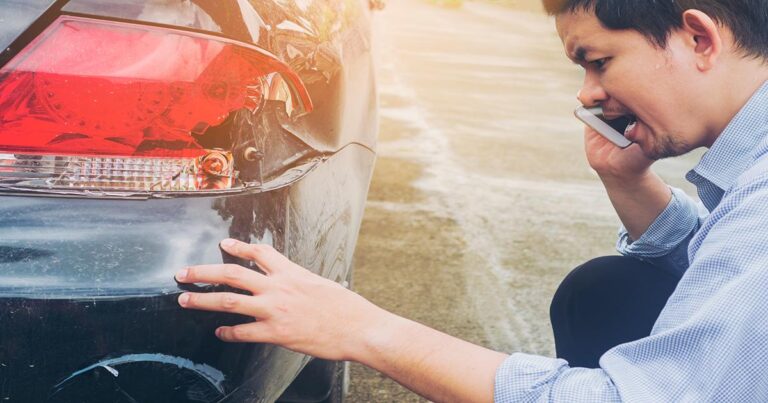
- Photograph damage before the car is moved if safe
- Start insurer notice from your phone
- Note wait times in extreme heat for your records
Claim Documentation Still Matters
Heat does not erase the need for photos, information exchange, and insurer notice. Batteries drain faster in high temperatures—use short bursts and a charger if you have one.
If anything about coverage, rental authorization, or medical billing is unclear, write down the question and ask your insurer or a licensed attorney rather than guessing. Mistakes made in the first week—missed notice, lost photos, or unsigned blanks on forms you did not read—are harder to fix later.
Keep One Claim Folder
Whether you use a paper envelope or a phone album, keep these together:
- Scene photos and any video
- Other driver and witness contacts
- Police report number and the full report when available
- Medical visit notes, imaging, bills, and receipts
- Towing, storage, rental car, and necessary travel receipts
- A short same-day written narrative of what happened
- Emails or letters from insurers, with dates
Talking With Insurance Adjusters
Adjusters gather information for the company they represent. Be polite and factual. You can ask for requests in writing, and you can pause a conversation to review documents or speak with a licensed attorney. Avoid broad statements like “I’m fine” if you are not sure yet. Do not sign a broad release until you understand what rights you may be giving up. No particular settlement result can be promised in any case.
FAQs
Who pays for the tow?
It depends on fault findings, roadside-assistance benefits, and policy terms. Get a receipt either way.
What if I already left the scene without enough photos?
Return only if it is safe and lawful, or rely on the police report, nearby cameras, and any photos others took. Write your narrative while details are still fresh.
Conclusion
Summer roadside waits add heat illness risk—prioritize shade, water, and a safe tow over arguing about minor bumper scrapes. This article is general information only and is not legal advice. Laws and insurance rules vary by state. For questions about your specific situation, consult a licensed attorney. Accidental Claim Help can help you connect with independent participating attorneys in our network. No particular result can be promised in any case.
Questions? Email contact@accidentalclaimhelp.com.
Attorney Advertising. This article is for general information only and is not legal advice. Accidental Claim Help is not a law firm. Participating attorneys are independent. Prior results do not guarantee a similar outcome.