Residential Street and Driveway Crashes During Holiday Gatherings
Thanksgiving week fills neighborhood streets in a way a normal Thursday does not. Extra cars line the curb, guests back out of unfamiliar driveways, and people walk between parked vehicles after dark. When a crash happens in front of a house, it can feel informal and easy to under-document. This article is general information, not legal advice. Laws and insurance rules vary by state and by whether the crash was on a public street or on private property.
Why Holiday Gatherings Change a Quiet Street
A residential block is not designed for event parking. During a gathering, several things often add up:
- Limited space. Cars park along the curb, in the driveway, and sometimes partly in the street, leaving a narrow lane for anyone pulling in or out.
- Backing up. Many of these collisions happen when a driver reverses out of a driveway or a tight spot and cannot see a pedestrian or another car.
- Low light and distraction. By late November, guests often arrive or leave after sunset, and people may be carrying food or watching the front door rather than traffic.
Immediate Steps After Most Crashes
Safety comes first. Check yourself and others. Call emergency services if anyone is hurt, if you are not sure, or if the vehicles cannot be moved safely. Watch for other traffic, especially on a narrow street.
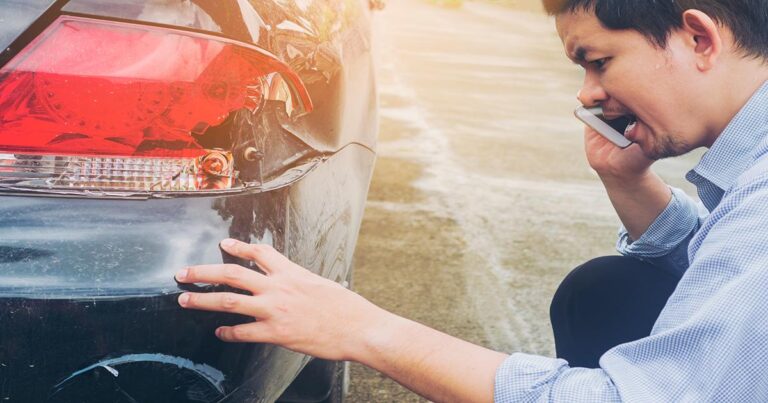
When it is safe, move vehicles out of the travel lane only if it is legal and safe to do so. If they must stay put, use hazard lights or another lawful way to warn other drivers. Exchange names, contact details, insurance information, and plate numbers, and note the house address and where each car was. Photograph damage, rest positions, parked cars that blocked the view, lighting, and weather before cars are moved, if you can do so safely. Note witnesses and any doorbell or security cameras facing the street. Follow local reporting rules, ask what applies where you are, and write down any report number.
You do not need to debate fault in the driveway. Stick to what you saw.
Topic-Specific Records to Save
A holiday-gathering crash has a few details that are easy to lose once guests go home. Save the exact address and whether the contact happened in the driveway, in the roadway, or at the curb; a wide photo of parked cars and sight lines; names of guests or neighbors who saw it, even if they are family; notes on doorbell or security cameras; weather and lighting; medical visit notes, bills, and a short same-day narrative; and towing or repair receipts, plus any messages from insurers, with dates.
Doorbell footage is often overwritten in a few days. If a camera may have captured the crash, ask about saving a copy sooner rather than later. Keep everything in one folder, paper or digital, before people scatter after the holiday.
Public Street or Private Driveway
It may matter whether the crash was in the public roadway or entirely on private property, such as a driveway. Reporting practices and insurance questions can differ. Do not assume a “just between us” agreement will settle everything, especially if someone is injured. A licensed attorney or your insurer can explain what applies to your crash.
Talking With Insurance Adjusters
Adjusters gather information for the company they represent. Be polite and factual. You can ask for requests in writing, and you can pause a conversation to review documents or speak with a licensed attorney. Avoid broad statements like “I’m fine” if you are not sure yet. Do not sign a broad release until you understand what rights you may be giving up. No particular settlement result can be promised in any case.
FAQs
The other driver was a relative. Do I still need a report and photos? A family connection does not usually make documentation less useful. Photos, a report number if one is available, and a short written narrative can help everyone later, including insurers.
Should I move the cars so guests can leave? Only if it is safe and lawful, and only after you have photographed the scene if you can.
Do I need a lawyer? Not every crash needs one. Many people seek help when injuries are significant, liability is disputed, a claim is delayed or denied, or it is unclear whether the crash was on private property or in the street. Participating attorneys are independent; Accidental Claim Help is not a law firm and does not give legal advice.
Conclusion
A crash in front of a holiday gathering can be documented just as carefully as a crash on the highway. Address, photos, cameras, and a same-day narrative are easier to collect that night than a week later. This article is general information only and is not legal advice. Laws and insurance rules vary by state. For questions about your situation, consult a licensed attorney. Accidental Claim Help can help you connect with independent participating attorneys in our network. No particular result can be promised in any case.
Questions? Email contact@accidentalclaimhelp.com.
Attorney Advertising. This article is for general information only and is not legal advice. Accidental Claim Help is not a law firm. Participating attorneys are independent. Prior results do not guarantee a similar outcome.